Picture this: sunrise over the Hudson, a light breeze off the water, and you on a jog past sailboats and skyline views. If you are weighing a move to the West Village near Hudson River Park, you want to know what daily life actually feels like. This guide walks you through the rhythm of the neighborhood, from the waterfront and fitness routines to housing, transit, and practical details like flood awareness. Let’s dive in.
Hudson River Park at your door
You live beside one of Manhattan’s signature public spaces. The West Village stretch of Hudson River Park runs along the waterfront from the Gansevoort area up past Christopher Street and Pier 45. Explore current maps, hours, and pier status on the official Hudson River Park Trust site for the latest visitor information and events.
- Piers and lawns: Pier 45 at Christopher Street is a local favorite for lawns, sunbathing, picnics, and river views. Seasonal programming includes concerts, movie nights, and outdoor classes. Check the park’s calendar for what is on now.
- Greenway access: The Hudson River Greenway is a paved path used all day for running, walking, and commuting by bike. Expect early riders and joggers on weekdays, plus heavier recreational use on weekends.
- Little Island nearby: Just north, Little Island offers performances, gardens, and views within a short walk from the West Village waterfront.
Daily rhythms on the waterfront
Mornings often start outside. You will see runners, dog walkers, stroller walks, and bike commuters along the esplanade. Midday brings lunch breaks on benches and lawns. Evenings mean sunsets over the water and people meeting friends before dinner. On weekends, the piers and paths are lively with families, casual sports, and meetups.
Pier access can change for maintenance or resilience work. Before you plan a picnic or workout, review the Hudson River Park Trust updates for temporary closures and seasonal notes.
Fitness and outdoor options
If you like to be active, it is easy to make the park your gym.
- Run, walk, ride: The Greenway’s long, flat route is ideal for training runs and bike commuting. You will find boutique studios nearby if you prefer classes, and look for outdoor yoga or fitness sessions on park lawns during warm months on the park’s events calendar.
- On the water: Free seasonal kayaking programs operate at select piers with volunteer groups like the Downtown Boathouse. Sessions are first come, first served, and typically run in the warmer months.
Food, coffee, and errands
Daily errands are an on-foot experience. You can grab coffee at a corner café, pick up groceries at local markets and larger supermarkets in adjacent blocks, and stop by specialty food shops for bread, cheese, or produce. The dining scene ranges from casual counters to well-known restaurants near the piers and in the Gansevoort corridor. Expect more foot traffic around peak dining hours and weekends.
Culture and nightlife
The West Village carries deep cultural roots. You are a short walk from icons like the Stonewall Inn on Christopher Street, intimate performance spaces, and small-theatre venues. The Whitney Museum and the High Line sit just to the north at the Meatpacking edge. Nights can be lively near bars and waterfront gathering spots, while tree-lined blocks farther east tend to be quieter.
Homes near the waterfront
Housing here blends historic charm with boutique living.
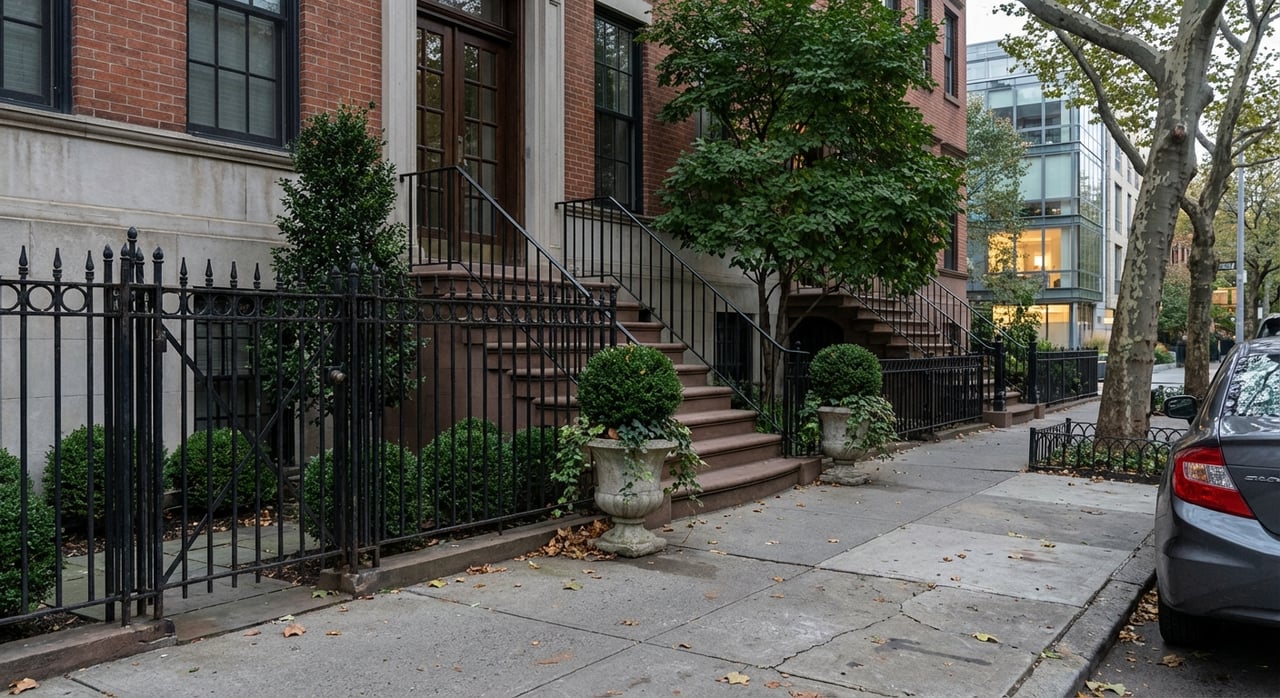
- Pre-war walk-ups and brownstones: Many 19th-century townhouses and small buildings on side streets have been converted to co-ops or multi-unit residences.
- Boutique condos and lofts: You will find low to mid-rise condominiums and occasional loft-style or newer developments along the neighborhood edges, especially toward Meatpacking and Chelsea.
- Rentals: The rental market is competitive and ranges from classic walk-ups to full-service buildings and luxury options closer to the water.
Co-ops vs. condos
Co-ops are common in the Village. They often involve board approval, specific financing requirements, and maintenance fees that cover building operations and sometimes property taxes. Condos tend to offer more flexibility for financing and renting, but are less prevalent on the historic blocks. Understanding these differences helps you match your goals to the right building type.
Costs and renovations
Plan for building-specific monthly costs like maintenance or common charges, plus insurance and, where applicable, higher property taxes. Car ownership is optional due to strong transit and walkability. Street parking is limited and regulated, and garages can be costly. If you intend to renovate, know that co-op rules and landmark considerations can affect timing and scope.
Transit and commute
You have multiple ways to get around the city from the West Village waterfront.
Subways and buses
- The 1 train at Christopher St–Sheridan Sq serves much of the West Village waterfront. A short walk north brings you to the 14th Street corridor for A, C, E and L service, which expands your midtown and crosstown options. Use the official MTA subway map for station details and service alerts.
- Local buses on the west side supplement subway access. The M11 and M20 serve portions of the corridor and connect to uptown and downtown routes. Review the Manhattan bus map before your commute.
Biking
The Hudson River Greenway is a major protected north-south bike route, and Citi Bike stations are common around the waterfront and into the Village. Many residents bike to Chelsea, Tribeca, Midtown, and beyond.
Safety, schools, and services
For current neighborhood safety data, review NYPD CompStat by precinct. It provides block-by-block context and recent trends. Major hospitals and urgent-care centers are accessible elsewhere in Manhattan; exact proximity depends on your address.
Public school options vary by exact address and grade. Use the NYC Department of Education school lookup to confirm zones and admissions. You will also find a range of private preschools and daycare centers in and around the Village, though waitlists can be common.
Flood awareness and resilience
Waterfront living comes with coastal considerations. Portions of Manhattan’s west side are more exposed to storm surge and future sea level rise. The city and park partners have invested in resilience work since events like Hurricane Sandy, and projects continue to evolve.
Before you sign a lease or contract, review your address on the NYC Flood Hazard Mapper for local flood-risk context. Ask about building-level resilience features, such as raised mechanicals, flood barriers, and emergency plans.
Is the West Village right for you?
Choose the West Village waterfront if you value daily park access, river views, and a walk-everywhere lifestyle. Expect a premium market with a mix of co-ops, boutique condos, and competitive rentals. Nightlife and foot traffic cluster near the piers and dining corridors, while side streets are more subdued. With the right guidance on building type, budget, and flood awareness, you can find a home that fits how you live.
Next steps
If you are exploring a move near Hudson River Park and want clear advice on co-ops vs. condos, board processes, and neighborhood fit, connect with Kimberly Jay. You will get tailored guidance, data-driven pricing insight, and a discreet search plan that aligns with your goals.
FAQs
What is morning exercise like by the Hudson River?
- Expect early runners, cyclists, dog walkers, and stroller walks along the Greenway, plus more recreational use on weekends and in warmer months.
How lively are evenings near Pier 45 and Christopher Street?
- Areas by the piers and dining corridors can be active late, while many tree-lined residential blocks farther east are typically quieter.
What housing types are common near Hudson River Park?
- Mostly pre-war walk-ups and brownstones converted to co-ops, plus boutique condos and some newer or loft-style options near Meatpacking and Chelsea.
How do co-ops differ from condos in the West Village?
- Co-ops often require board approval and have specific financing rules, while condos tend to allow more flexibility for financing and renting.
What are my main transit options from the West Village waterfront?
- The 1 train at Christopher St–Sheridan Sq, connections to A, C, E and L near 14th Street, plus local buses and the protected Hudson River Greenway for biking.
Where can I confirm school zones for a specific address?
- Use the NYC Department of Education’s school lookup to see zoning and admissions information by address and grade.
How should I check flood risk for a West Village address?
- Start with the NYC Flood Hazard Mapper for local context, and ask buildings about their resilience measures and emergency plans.