If you want the energy of central Manhattan with tree‑lined side streets and a true neighborhood park, the Flatiron District delivers a compelling balance. You can step out for coffee, cross the street into Madison Square Park, and still be a quick subway ride to almost anywhere in the city. In this guide, you will learn how Flatiron lives day to night, what types of homes you will find, and how it compares with nearby Midtown and Gramercy. Let’s dive in.
Flatiron at a glance
The Flatiron District centers on the iconic Flatiron Building at 23rd Street where Fifth Avenue meets Broadway, with Madison Square Park as its green heart. Boundaries vary by source, but many describe Flatiron as running roughly from 14th to 23rd Streets and from Park Avenue South to Sixth Avenue. That footprint keeps you close to major corridors while letting many side streets feel more residential. If you want a quick orientation, the neighborhood’s identity is well summarized in the Flatiron District overview.
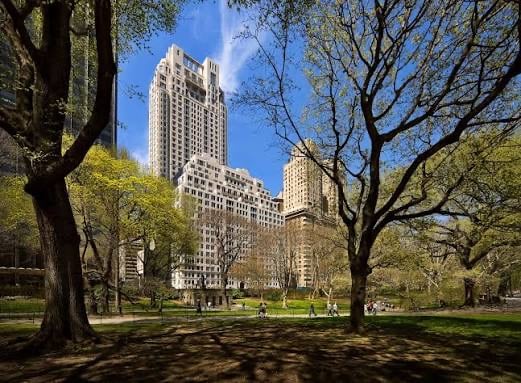
Historic character is part of the appeal. You will notice landmarked stretches of the Ladies’ Mile shopping district and a photogenic skyline edge along the park. Architecture blends cast‑iron and prewar buildings with select modern towers, which creates a human‑scaled streetscape that is distinct from Midtown’s taller core. Preservation groups highlight this variety as a defining trait for residents who want centrality without Midtown’s canyon effect, as seen in Manhattan neighborhood documentation.
Homes and buildings you’ll find
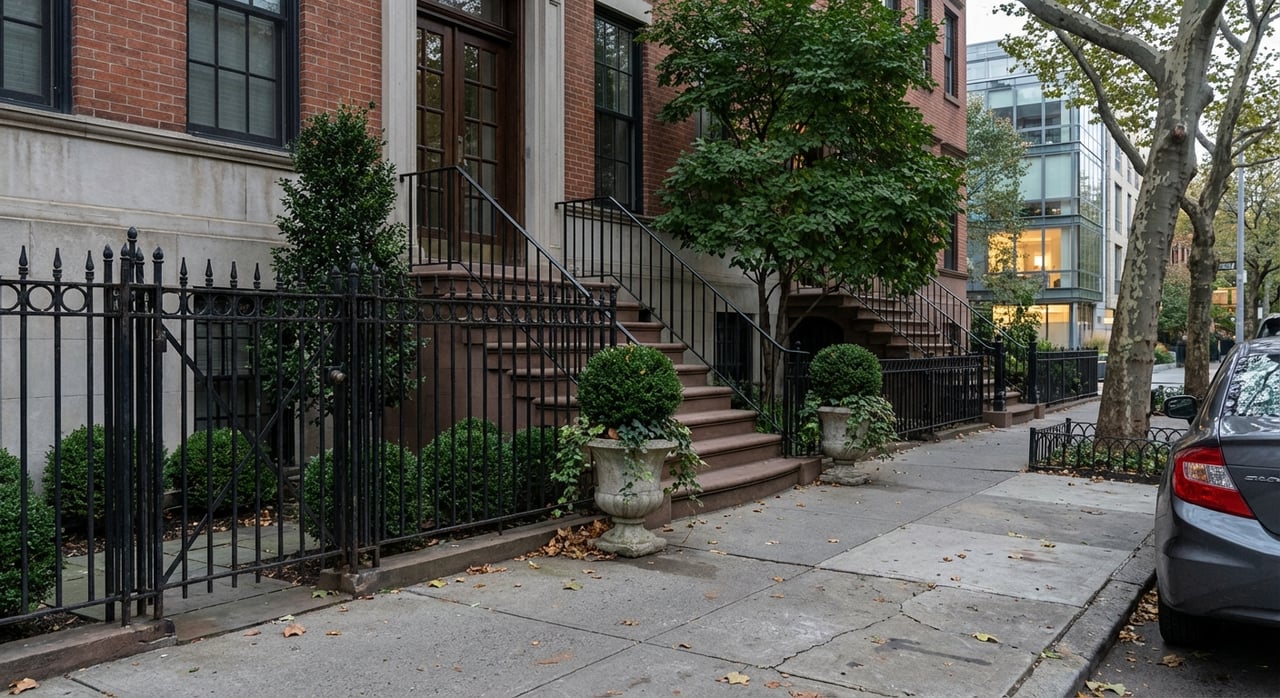
Flatiron’s housing stock is a mix of prewar co‑ops and condos, classic loft conversions from former publishing and toy district buildings, and a smaller set of newer luxury condos and rentals. The main avenues, including Fifth Avenue, Park Avenue South, and Broadway, feel denser and livelier, while the residential side streets can feel calmer, especially in the evening. Many buyers seek higher floors for light and a quieter sound profile.
You will also see continued office‑to‑residential conversions adding new inventory in and around the district. Plans for the Flatiron Building itself have been widely discussed, and nearby boutique conversions are part of the pipeline. City and state policy initiatives are encouraging more conversions citywide, which can mean fresh product entering the market along with some active construction. For a broader view of these programs, review this overview of New York City office‑to‑residential conversion efforts.
Life around the park
Madison Square Park, daily anchor
Madison Square Park is the neighborhood’s shared backyard and social center. You will find rotating public art through the Mad. Sq. Art program, seasonal installations, and regular Conservancy programming that makes the park part of your routine. The cultural calendar, documented by the Madison Square Park Conservancy, keeps the area active year‑round in a way that feels uniquely urban and welcoming.
Food, markets, and everyday stops
Flatiron is an easy place to cook and dine well. Eataly at 200 Fifth Avenue is a multi‑level food hall and market that residents use for both groceries and convenient meals, with options highlighted on the Eataly dining page. The neighborhood is also the original home of Shake Shack, which grew from a park‑supporting cart into a local institution, a story noted in the company’s public filings. For fresh produce, the Union Square Greenmarket is a short walk and a weekly staple for many households, as featured by GrowNYC.
From daytime energy to evening calm
Flatiron hums on weekdays with office workers, tech firms, and shoppers. That energy spills into plazas and restaurants at lunch and after work. By nighttime, the avenues can still be lively, but the side streets and the blocks around the park typically settle into a quieter rhythm. This day‑to‑night transition is a common theme in neighborhood profiles, including the archived New York Times overview of Flatiron.
Two practical tips: visit potential homes after 7 pm to sample the sound profile and consider floor height if quiet is a priority. Higher floors can make a noticeable difference, especially on busier avenues.
Transit, biking, and daily logistics
If you want a car‑free lifestyle, Flatiron makes it simple. You have multiple subway lines within a short walk, including Union Square and 23rd Street stops that serve the F, L, M, N, Q, R, W, and 6 trains. That network supports short commutes both uptown and downtown and gives you route flexibility when lines are delayed. Coverage in the archived neighborhood profile underscores how connected the area feels.
Biking and walking are part of daily life here. Citi Bike stations are widespread, and recent streetscape and lighting projects by the Flatiron NoMad Partnership have increased pedestrian comfort and visibility, as noted in the BID’s lighting installation update. Street parking is limited, which is typical for central Manhattan, so most residents rely on transit, biking, and walking. The BID’s expansion and operations also support cleanliness and public space management throughout the district, as detailed in its annual impact summary.
How Flatiron compares nearby
Flatiron vs. Midtown
Midtown’s core is more monolithic and commercial, with taller office towers and bigger tourist nodes. Flatiron offers a more intimate scale with historic architecture and residential side streets that feel calmer in the evening. If you want central access without living in the thickest part of Midtown, Flatiron is a compelling alternative. For background, see the Flatiron District overview.
Flatiron vs. Gramercy
Gramercy is known for its quieter, more residential tone and the private, key‑access Gramercy Park, which sets a different lifestyle frame. Flatiron, by contrast, puts you next to Madison Square Park’s public programming and closer to major retail corridors, which means a busier street life many residents enjoy. To understand this difference, read more about Gramercy Park’s private‑park status.
Is Flatiron a fit for you?
You might love living in Flatiron if you value:
- A walk‑everywhere lifestyle with multiple subway options.
- Daily access to Madison Square Park and its public art programming.
- Loft character, prewar details, and a mix of boutique and modern buildings.
- Lively dining and shopping, from Eataly to independent restaurants.
Keep in mind:
- Avenues can be noisy; side streets are typically calmer at night.
- Street parking is limited, so plan for transit, rideshare, or garages.
- New office‑to‑residential conversions may bring both fresh inventory and some nearby construction.
- School options vary by address and change over time; always confirm current zoning and offerings through the NYC Department of Education.
Buying or selling with confidence
Whether you are pursuing a classic loft or positioning a prewar co‑op for sale, strategy matters in Flatiron’s dynamic market. Pricing and timing can shift with new conversion deliveries and broader Manhattan trends, so you want an advisor who marries data with nuanced neighborhood insight. With a finance‑trained, negotiation‑certified approach, you receive guidance that prioritizes outcome, from precise comp selection to offer analysis and contract strategy.
If you are selling, Compass Concierge can streamline pre‑sale improvements that help listings stand out, while Private Exclusives provide controlled exposure when confidentiality is essential. If you are buying, you will benefit from a clear read on building profile, floor height, and block‑by‑block trade‑offs so you can move decisively. When you are ready to take the next step in Flatiron, connect with Kimberly Jay for a confidential, data‑driven plan tailored to your goals.
FAQs
What is the Flatiron District and where is it located?
- Flatiron centers on the Flatiron Building and Madison Square Park, with commonly cited boundaries from roughly 14th to 23rd Streets and Park Avenue South to Sixth Avenue, placing you in a central, well‑connected slice of Manhattan.
What types of homes are common in Flatiron?
- You will find prewar co‑ops and condos, converted lofts from former commercial buildings, and select newer luxury towers, with denser avenues and generally quieter side streets shaping daily life at the block level.
How noisy is Flatiron at night, and which blocks feel calmer?
- Avenues like Fifth, Broadway, and Park Avenue South stay lively into the evening, while many side streets and blocks near the park quiet down; if sound is a concern, visit after 7 pm and consider higher floors.
How does Flatiron compare with Midtown and Gramercy for lifestyle?
- Flatiron offers historic architecture and a more intimate scale than Midtown’s tower core, while Gramercy trends quieter and more private due to its key‑access park; Flatiron trades that privacy for public programming and retail convenience.
What are the transit options if I live in Flatiron?
- Multiple subway lines converge at Union Square and 23rd Street stations, including F, L, M, N, Q, R, W, and 6, plus Citi Bike and pedestrian‑friendly plazas that support a car‑free routine.
Are there new residential conversions coming to Flatiron?
- Yes, office‑to‑residential conversions are active in and around the district, with policies encouraging more citywide; expect fresh inventory in the mix alongside some periods of nearby construction.